A Florida nurse
Camila
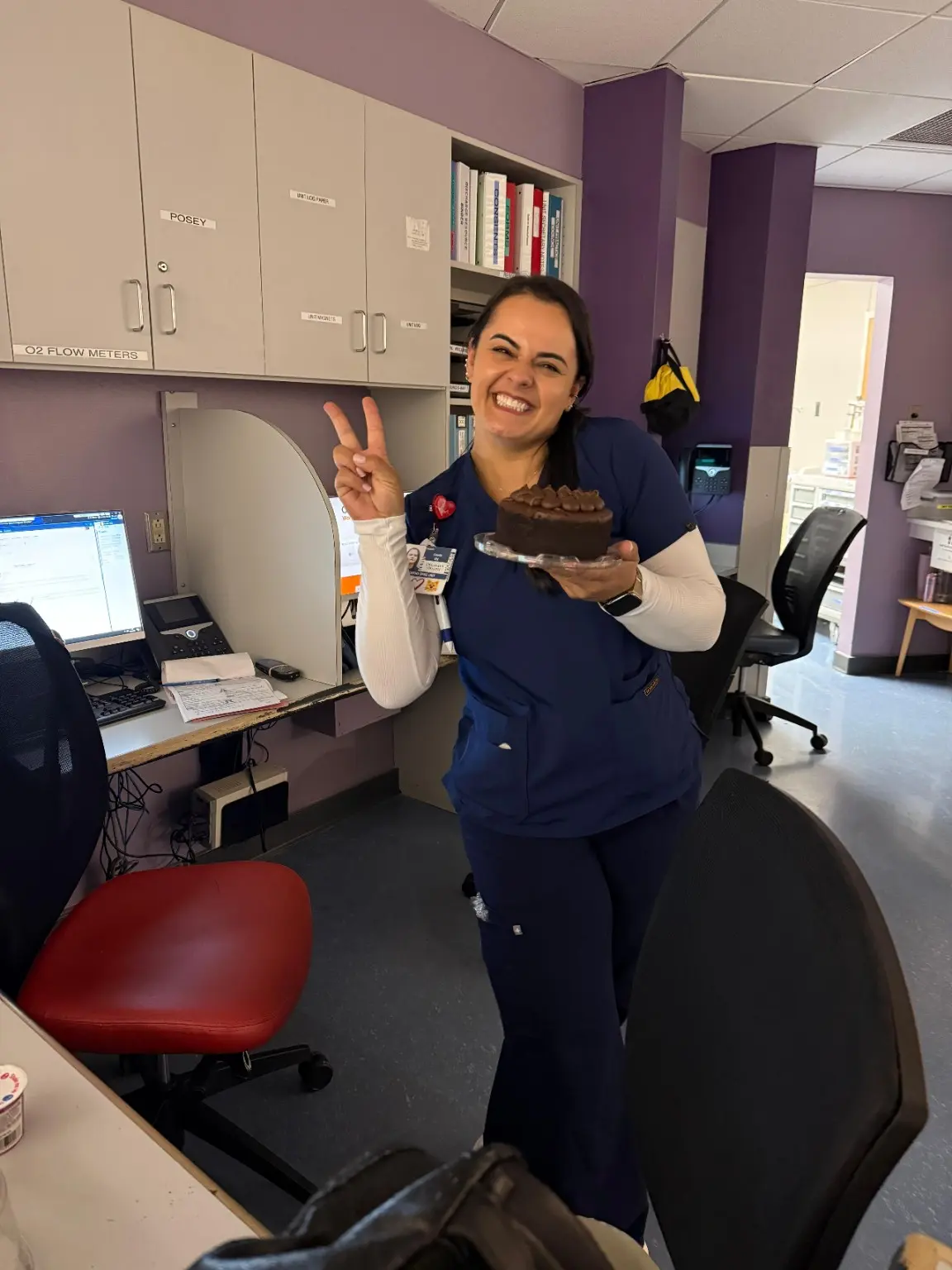
Camila is a Florida-licensed Registered Nurse and BSN working in rehabilitation care. Her work is personal: every shift means patients, families, coworkers, and a community counting on skilled, compassionate care.
A nurse. A family. A community asking to be heard.
Camila cares for patients. Leandro, known as Leo, built a local business that supports jobs. Isabela is growing up in school with her friends. Their family now faces removal proceedings while immigration applications remain pending.
Our family is facing removal proceedings, with a Master Calendar Hearing scheduled for September 23, 2027. We have not received a final removal order, and we continue pursuing every lawful avenue available to keep our family together.
Who stands to lose
Immigration files are identified by numbers. The consequences are carried by people — patients, employees, classmates, friends, neighbors, and families.
A Florida nurse
Camila is a Florida-licensed Registered Nurse and BSN working in rehabilitation care. Her work is personal: every shift means patients, families, coworkers, and a community counting on skilled, compassionate care.
A local employer
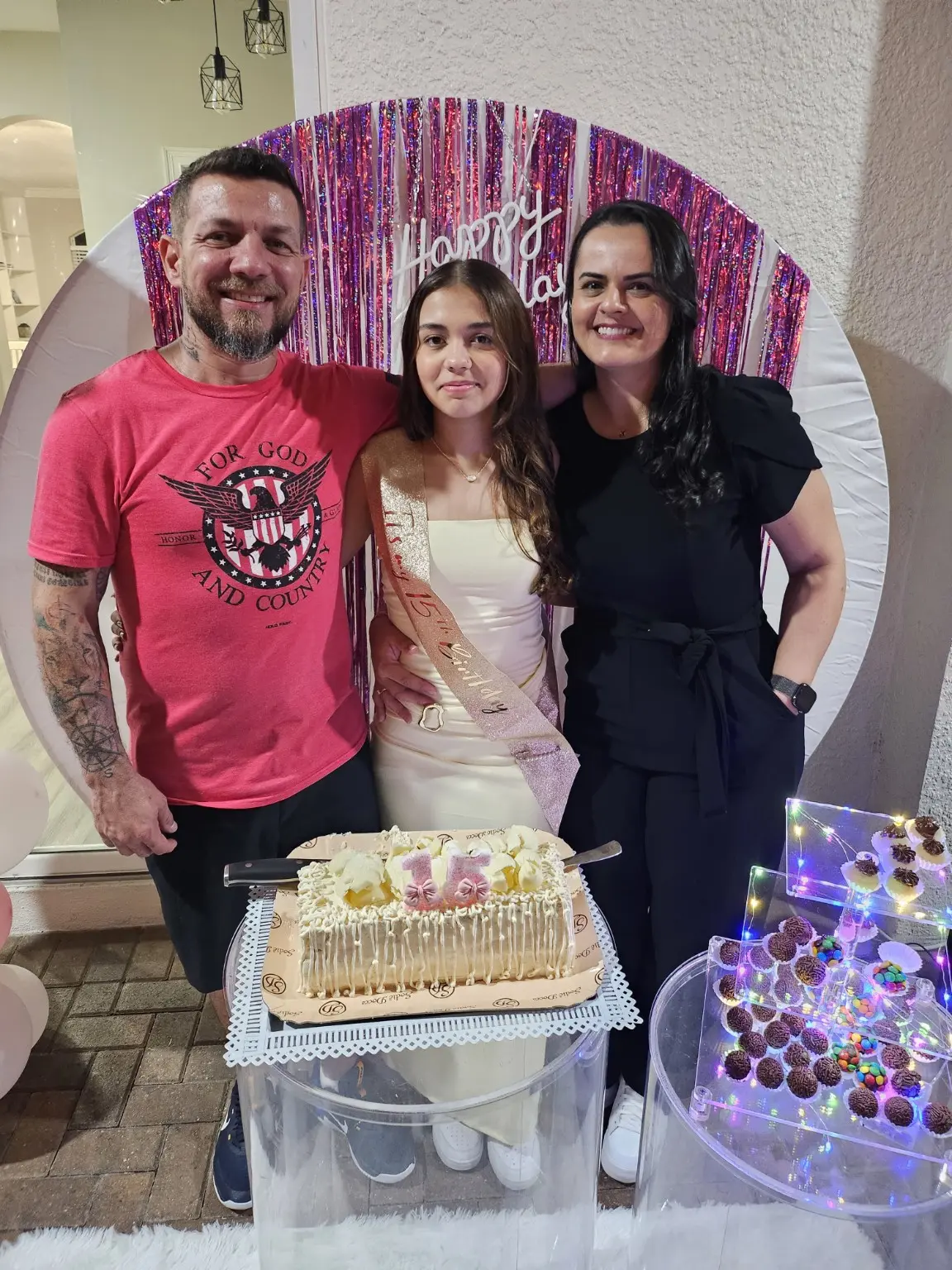
Leandro, known as Leo, founded a family-owned commercial cleaning company in Central Florida. Since 2019, the business has served local schools, churches, offices, dealerships, and other facilities while creating jobs and supporting other families.
A student growing up here
Isabela attends school, has built friendships, and is part of the community around her. Removal would not be an abstract legal event to her; it would mean leaving her school, her friends, and the life she has grown into.


The work behind the license
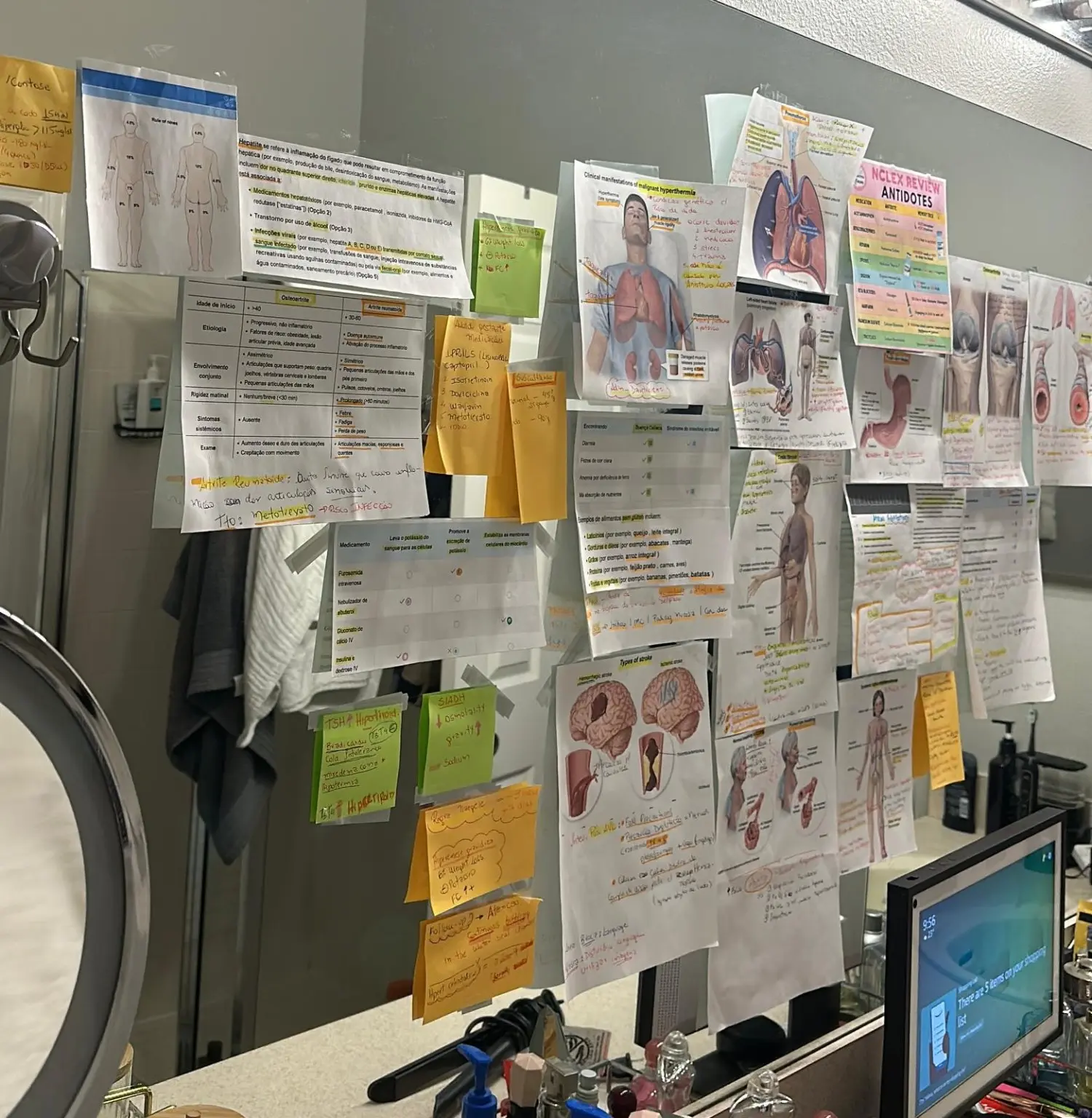
Camila transformed a corner of her home into an intensive nursing review station. Clinical diagrams, medication tables, handwritten notes, and practice material covered the walls as she prepared to meet the standards required of a registered nurse in the United States.
Passing the NCLEX was not simply a personal milestone. It allowed Camila to put her education, discipline, and clinical knowledge to work for patients in Florida. Today, the effort documented in these images has become real care delivered shift after shift.
Why her service matters
Camila is not a projected number. She is already trained, licensed, and working with patients. National workforce data provides context for why retaining experienced nurses matters, while her employer and colleagues can document her individual contribution.
The U.S. Health Resources and Services Administration projects a national shortage of registered nurses.
Read the HRSA projection →HRSA’s projections also emphasize that the distribution of nurses across locations and care settings remains critical.
View the federal data →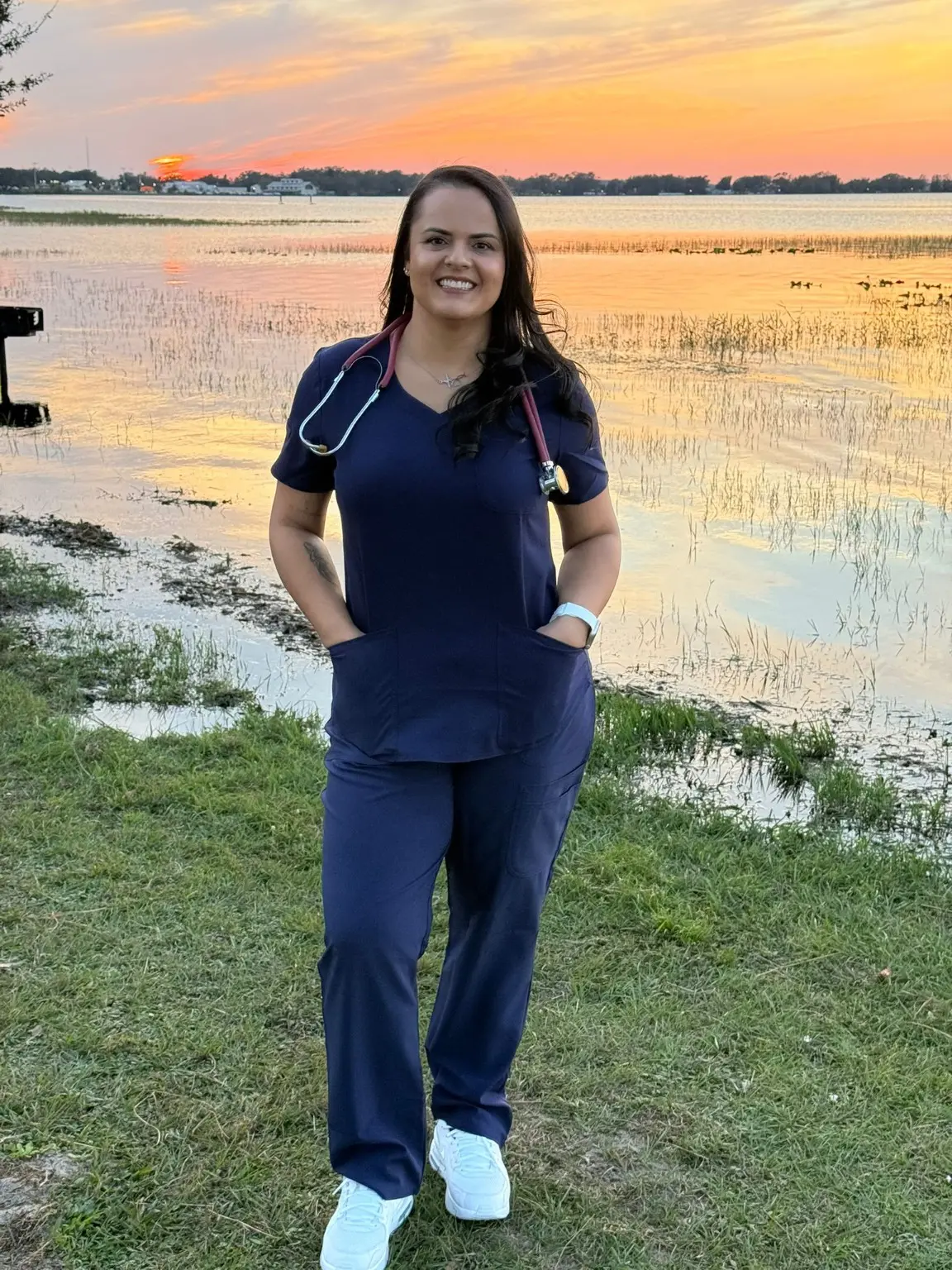
A credential put to work
Camila’s professional story joins formal qualification with daily service. Her license, employment records, evaluations, and letters from healthcare colleagues can document the contribution behind this public appeal.
What the documents show
The public story must be emotional and accurate. The Notices to Appear do not accuse this family of a crime. They charge that the family remained beyond the period authorized after lawful admission as visitors.
The family continued pursuing immigration relief after an earlier filing was denied. Their attorneys must determine the exact legal path, jurisdiction, and relief available. This campaign supports that lawful process; it does not replace it.
The request
We respectfully ask the family’s elected representatives to open appropriate congressional casework inquiries with the relevant federal agencies. We ask USCIS, DHS, and ICE officials to ensure the pending matters receive fair and timely consideration and to evaluate every lawful form of discretion available.
We also ask that the family’s positive equities — Camila’s service as a nurse, Leandro’s local business and job creation, Isabela’s education and community ties, family unity, and the absence of criminal allegations in these proceedings — be presented through proper legal filings for consideration by the authorities who have jurisdiction.
It does not ask anyone to contact the Immigration Judge directly, interfere with the court, disregard immigration law, or guarantee a particular outcome.
Three meaningful actions
Add your name to a respectful request for due process, family unity, and lawful consideration.
Send the prepared message to your own U.S. representative and senators. Constituent messages carry the most weight.
Send this page to neighbors, nurses, faith communities, business owners, and people who know the family.
Subject: Please help keep a Florida nurse and her family together
Dear Representative/Senator,

I am your constituent, and I am writing in support of Nurse Camila and her family. Their family is facing removal proceedings, with a Master Calendar Hearing scheduled for September 23, 2027. They have not received a final removal order and continue pursuing every lawful avenue available to remain together.

Camila is a Florida-licensed Registered Nurse caring for patients in our state. Her husband, Leandro, known as Leo, built a Central Florida business that supports jobs, and their daughter, Isabela, attends school and is rooted in her community.

Adjustment of status is a lawful form of relief from removal. Depending on jurisdiction, USCIS or the Immigration Judge may adjudicate an adjustment application and, when all legal requirements are satisfied, may grant lawful permanent residence as a favorable exercise of discretion. This family is asking for no exemption from the law—only that their complete record, humanitarian circumstances, family unity, service to Florida patients, job creation, and years of community ties be fully and fairly considered.

I understand that your office cannot contact or attempt to influence the Immigration Judge. I respectfully ask your office to open appropriate congressional casework with USCIS, DHS, and ICE; obtain clear status and jurisdiction information concerning the pending applications; encourage lawful and timely agency coordination; and request consideration of every form of relief and discretion authorized by law.

Removing this family before those lawful avenues are fully considered would take a working nurse away from Florida patients, separate a child from the life she knows, and disrupt a local business that supports jobs. Please help ensure that their case receives a complete, timely, and humane review.

Thank you for standing for due process, family unity, and fair consideration under the law.

Family campaign contact:
Camila and Leandro (Leo)
Email: keepnursecamila@gmail.com
Website: https://keepnursecamila.org

Sincerely,
[Your full name]
[Your city, state, ZIP]
[Your street address if required by the official contact form]
Federal offices prioritize their own constituents. Use your real home address on the official form.
Find your U.S. Representative Contact your U.S. SenatorsPetition in support of Camila, Leandro (known as Leo), and Isabela
I am a United States citizen, age 18 or older, and I support a fair, timely, and complete review of the pending immigration matters involving Nurse Camila and her family. I respectfully ask their elected representatives to open appropriate congressional casework inquiries and ask federal officials to consider every lawful form of discretion available. My signature supports due process, family unity, community service, and fair consideration under the law.
Questions and boundaries
No. A petition cannot approve immigration status or direct a judge. It can demonstrate public support and help elected offices understand why casework deserves attention.
No. Supporters must not contact the Immigration Judge or court about the merits. Evidence and arguments belong in proper filings made by counsel and served on the government.
Congressional offices may request information from federal agencies, seek status updates, and ask that lawful options be considered. They cannot guarantee approval or control a judicial decision.
ZIP codes help show whether support is local and help signers identify their own elected representatives. Street addresses are not collected by this site.